JMT Section Hike: South Lake to Mt Whitney
- Distance: 85.68 miles
- Elevation: +17932’ -17219'
- Map: Caltopo
- Trip Dates: July 27, 2024 - August 2, 2024
That’s it! Maya (my soon-to-be 13-year-old) and I have officially completed the John Muir Trail project we started last year. A few days ago, we finished the final segment of the trail—an eight-day, ~90-mile backpacking journey where it felt like we were living inside a painting.
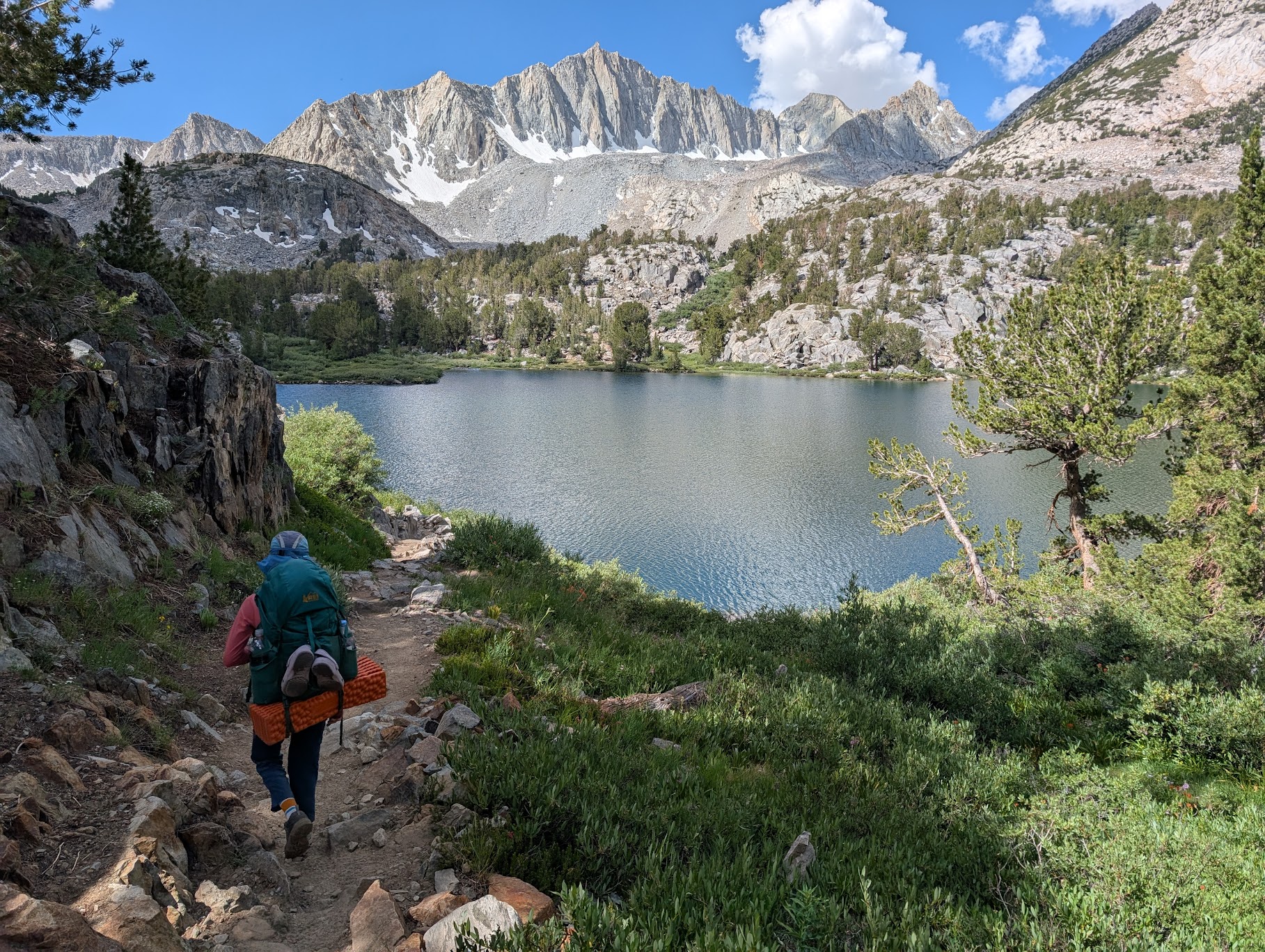
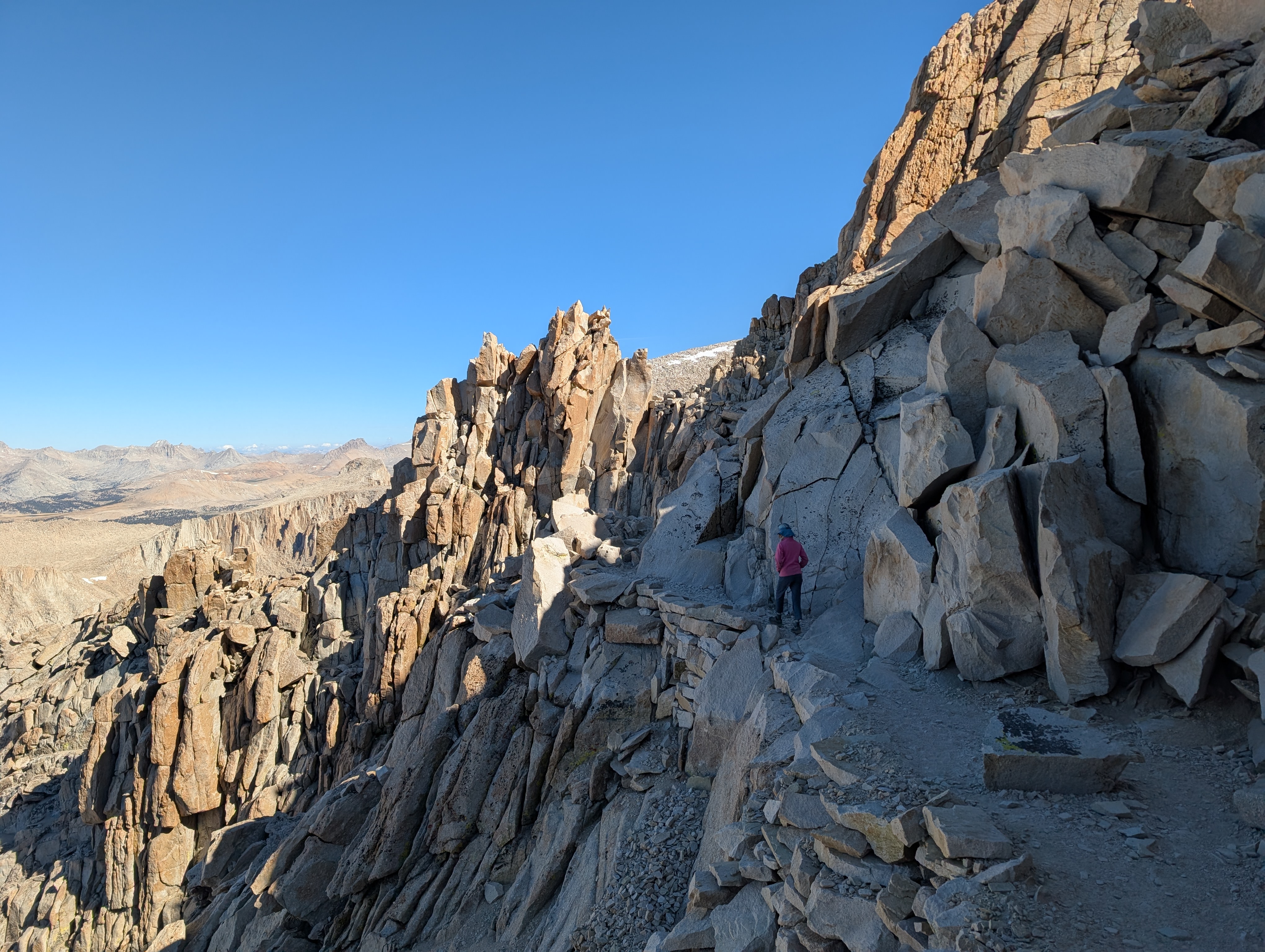
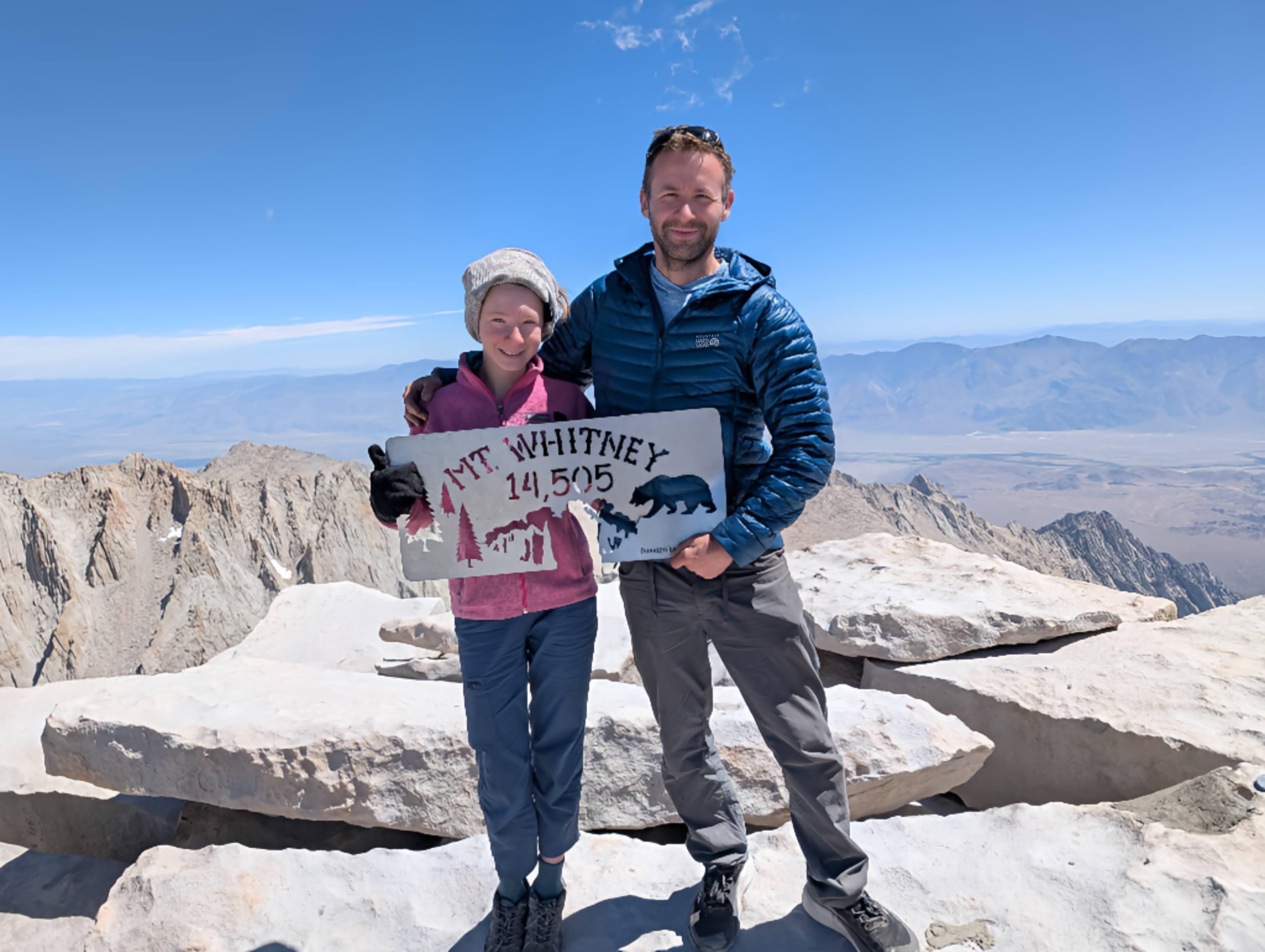
To rejoin the trail, we secured a permit (six months in advance) to start at South Lake. From there, we climbed over Bishop Pass at 11,972 ft, which led us back to the JMT. The journey culminated with a climb to the summit of Mount Whitney at 14,505 ft—the highest peak in the contiguous United States (all the higher ones are in Alaska).
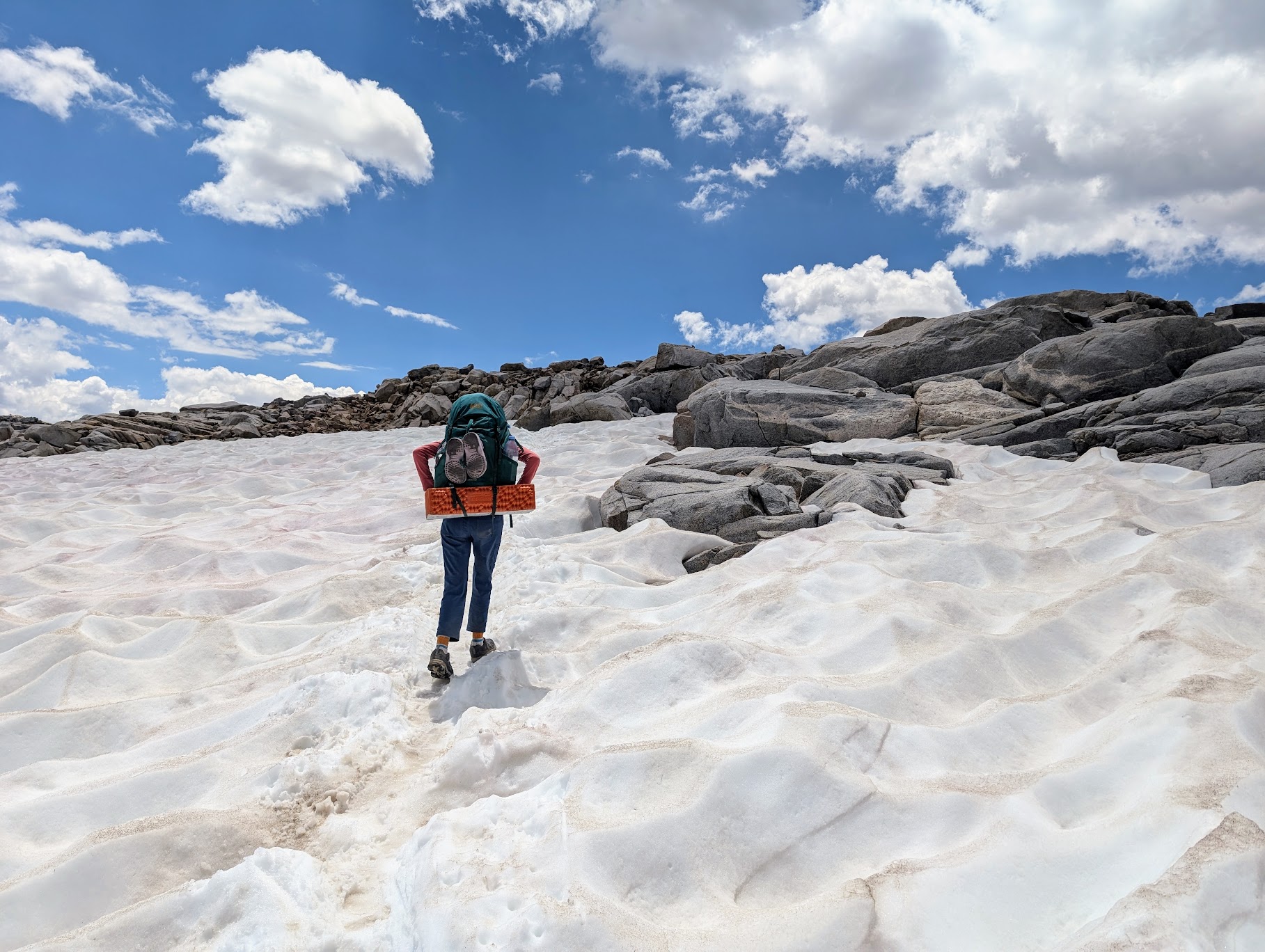
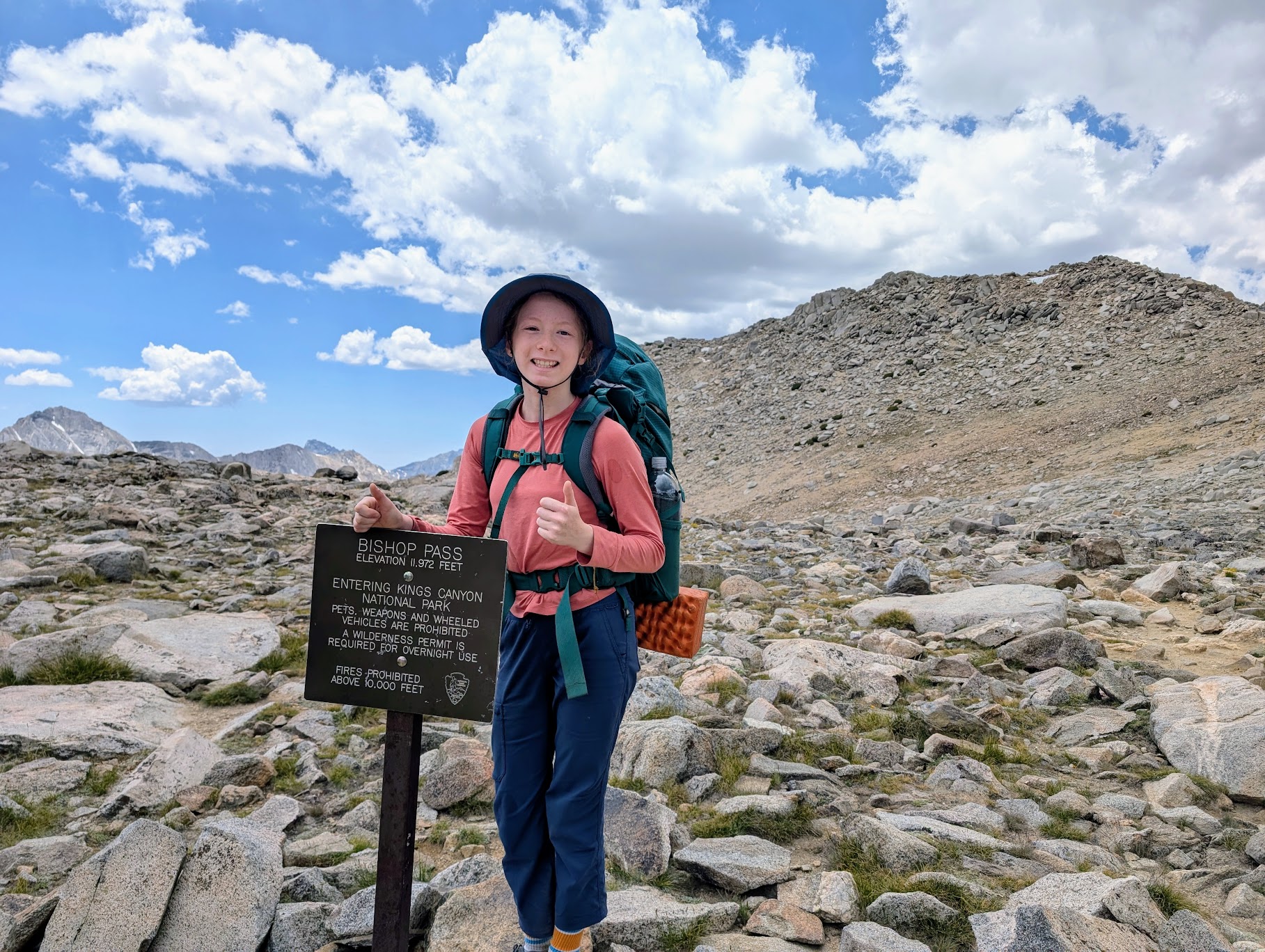
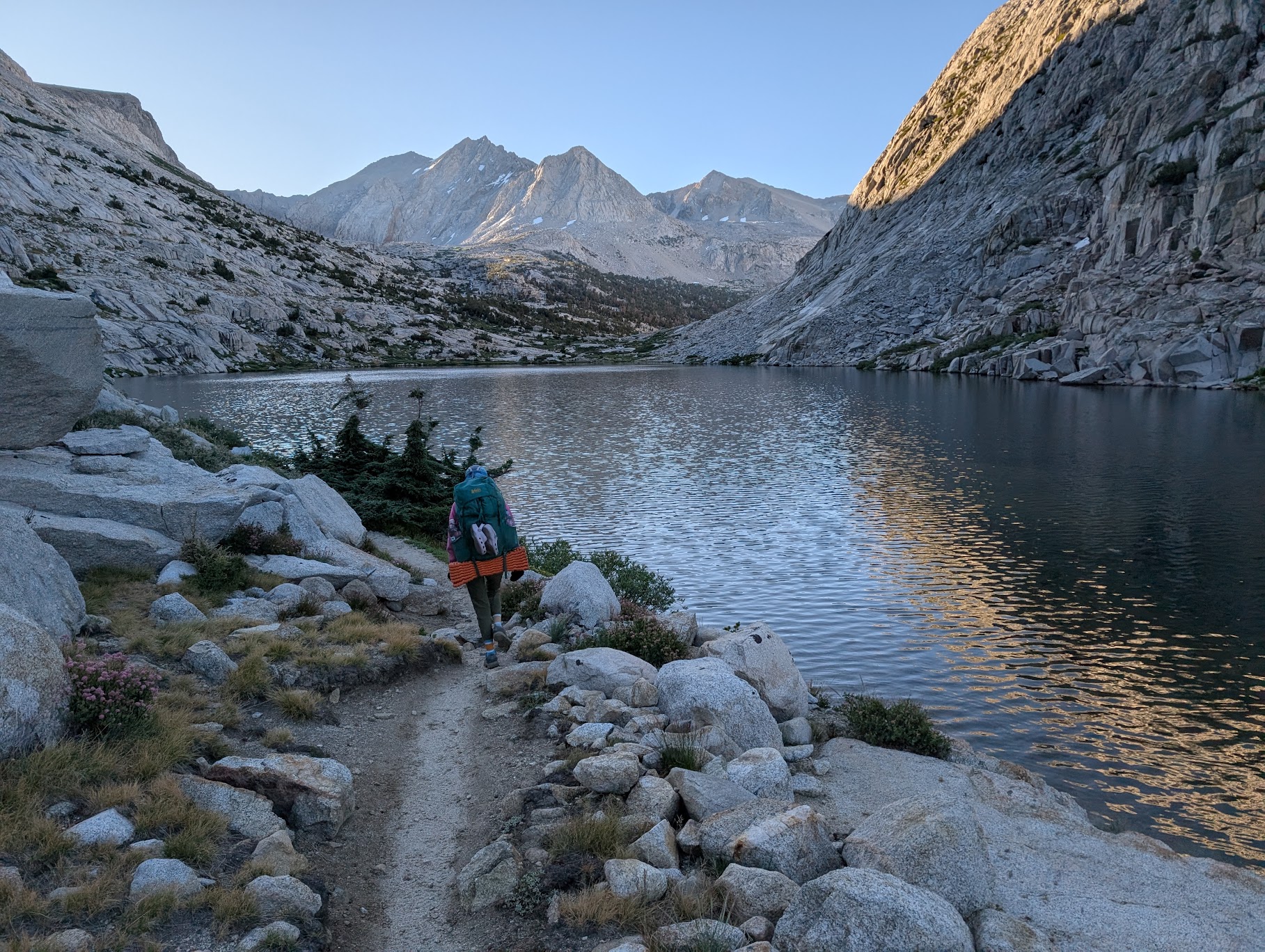
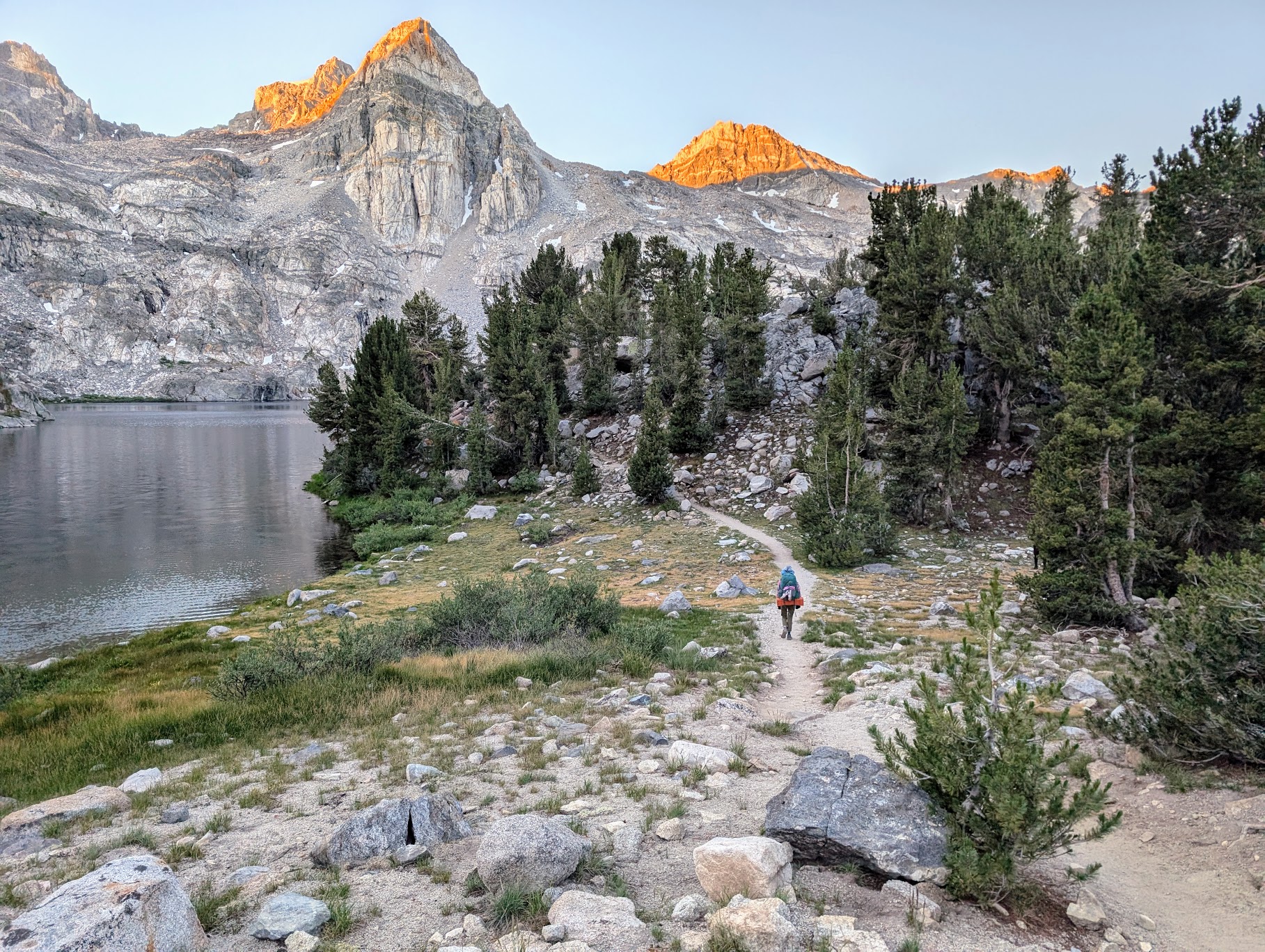
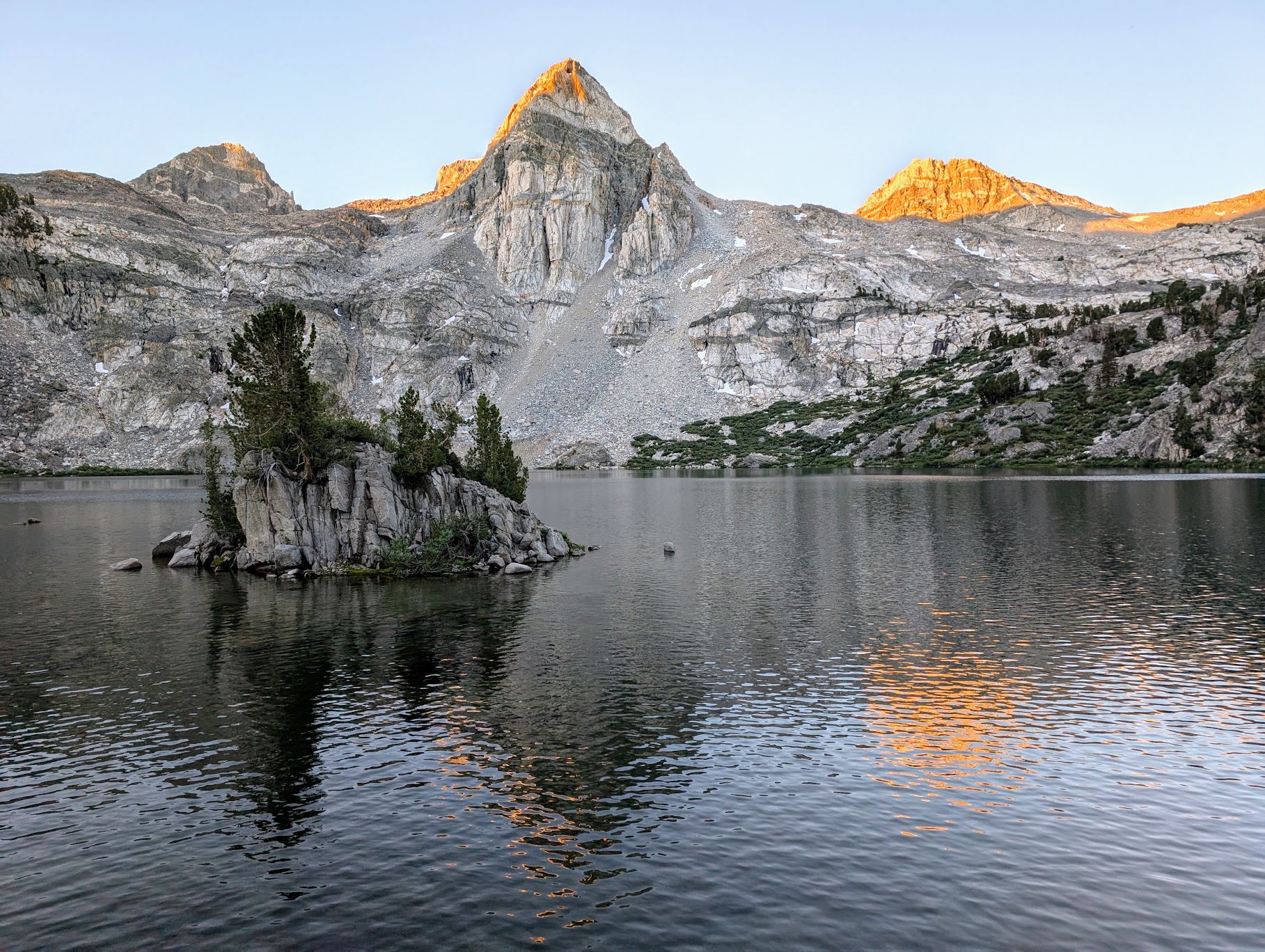
As expected from the Sierra Nevada, the scenery along the way was breathtaking: crystal-clear alpine lakes surrounded by jagged granite peaks, some still holding snow, and rushing streams. To me, this combination of water and rock is one of the most beautiful things in the world. This section felt more physically challenging than our last one, mainly due to the five high mountain passes we crossed: Bishop, Mather, Pinchot, Glen, and Forester (the last of which is the highest pass on the JMT at 13,153 ft).
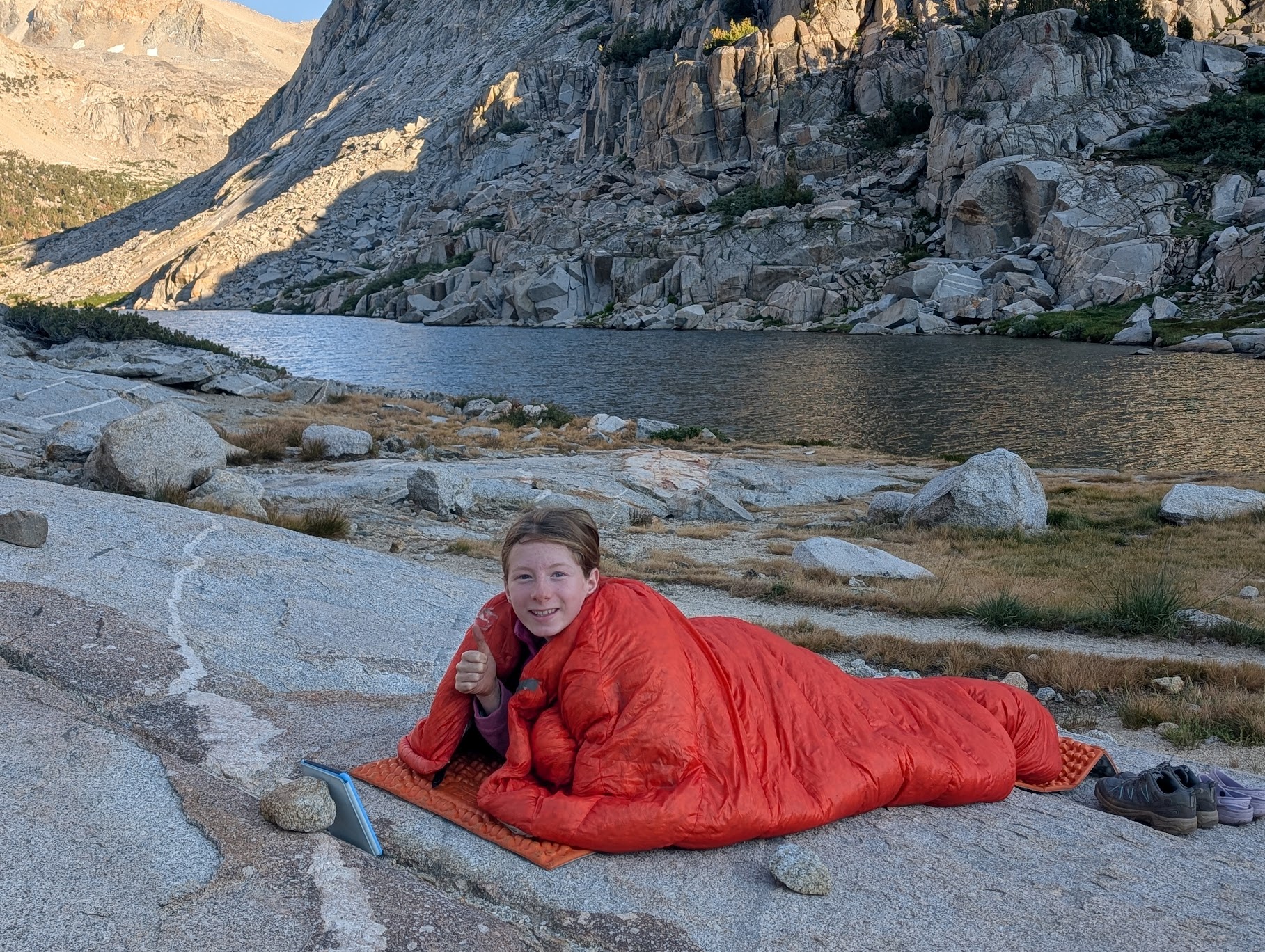
As always, we preferred to sleep near a water source. It allows for a refreshing, icy dip at the end of the day (a must for me to fall asleep!) and incredible views to wake up to. The lakes we camped beside were among the most stunning we’ve ever seen: Palisades Lakes, Marjorie Lake, the famous Rae Lakes, and Guitar Lake at the foot of Mount Whitney. Each one is a breathtaking location.
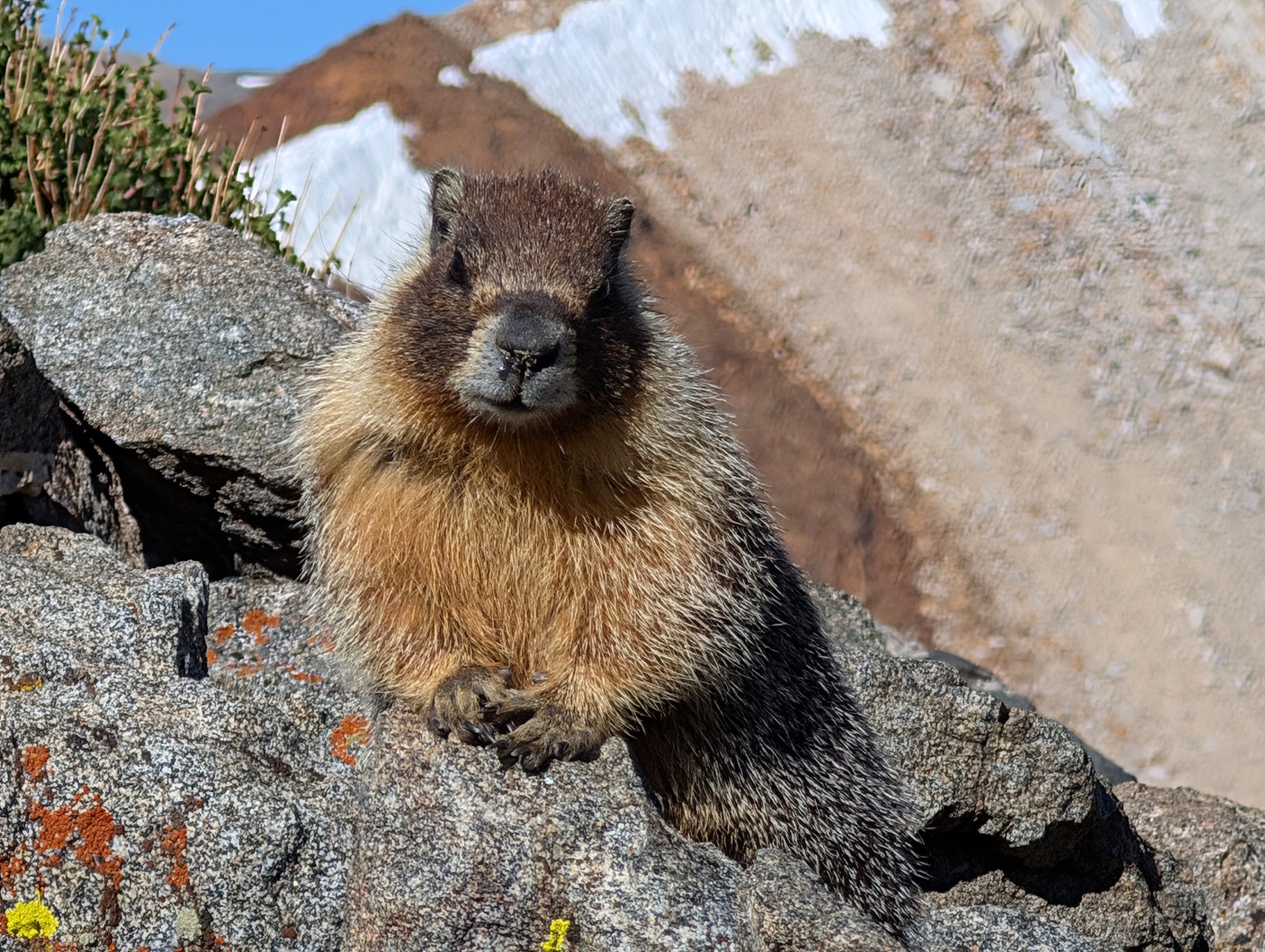
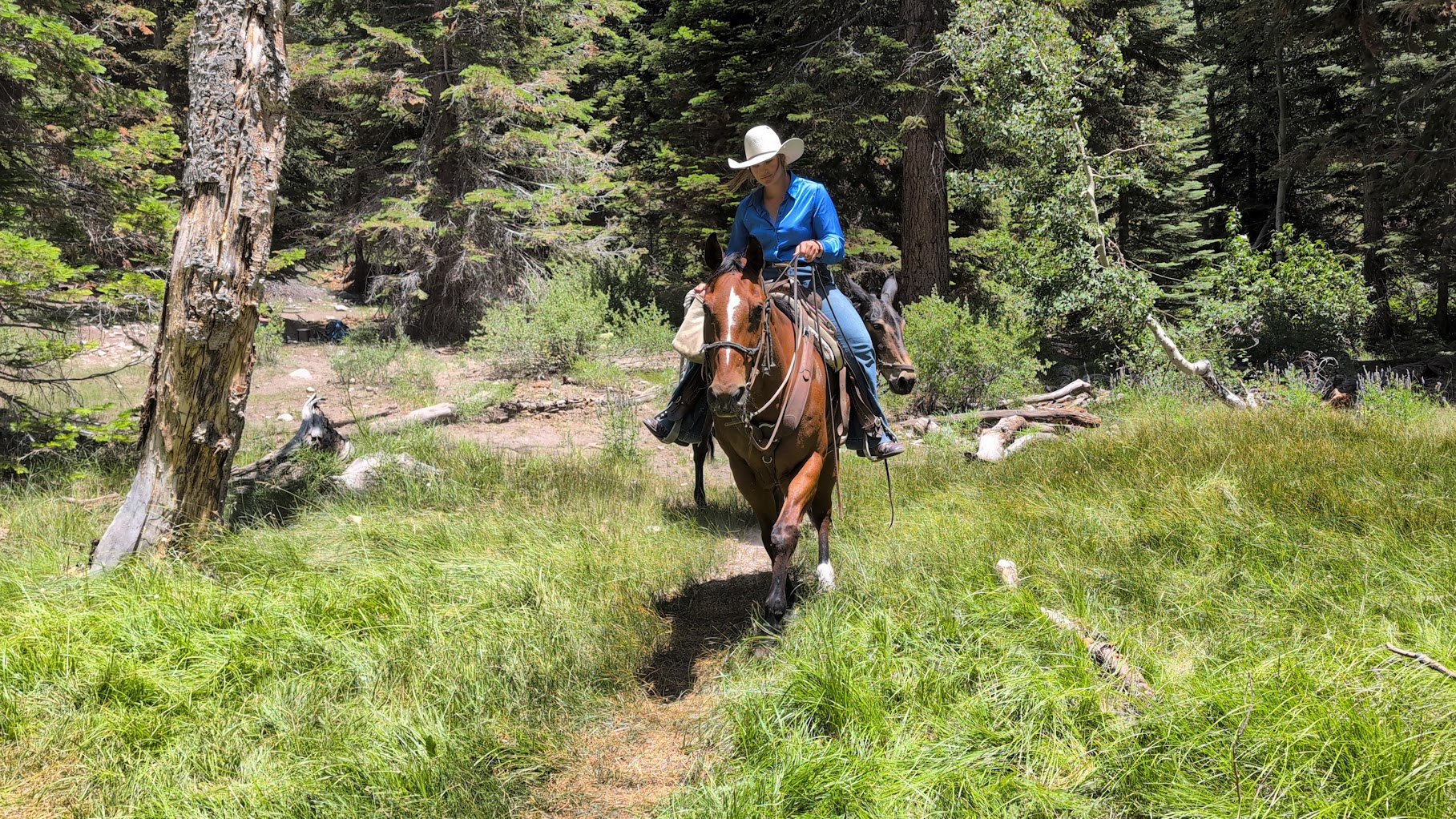
One of the most complex challenges on the JMT is food management. The requirement to use a bear canister limits the amount of food you can carry, and in our case, we only had enough for about four of our eight days. While most hikers descend from the trail to nearby towns to resupply (a detour that adds many miles), we opted for a more unique option: a packer service that uses a mule train to bring food and supplies to hikers on the trail. We had sent a bucket of food in advance to Cedar Grove in Sequoia National Park. At our pre-arranged meeting point, a charming packer with a Southern accent arrived, leading two horses (or maybe mules) carrying our food. After days of subsisting on freeze-dried meals and tuna tortillas, the chilled fruit salad from a can felt like a Michelin-star dish. It was, without a doubt, the culinary highlight of our trip.
Our last day began with a 5:30 AM wake-up call at Guitar Lake (11,600 ft). Already acclimated to the altitude, we began the final ~3,000-foot ascent to the summit of Mount Whitney. Reaching the top was an especially emotional high! But the real challenge is the descent. My knees felt the more than 6,000-foot drop from the summit to the Whitney Portal trailhead, down a rocky, endless trail known as the 99 Switchbacks, for a solid 24 hours. Maya, on the other hand, was already jumping and dancing as if nothing had happened by that evening.
To get back to civilization and the suitcases we had left in Bishop, we had to catch two rides: one hitchhike from the trailhead to the town of Lone Pine, and then another one north to Bishop. We celebrated our journey at our favorite restaurant, Whiskey Creek.
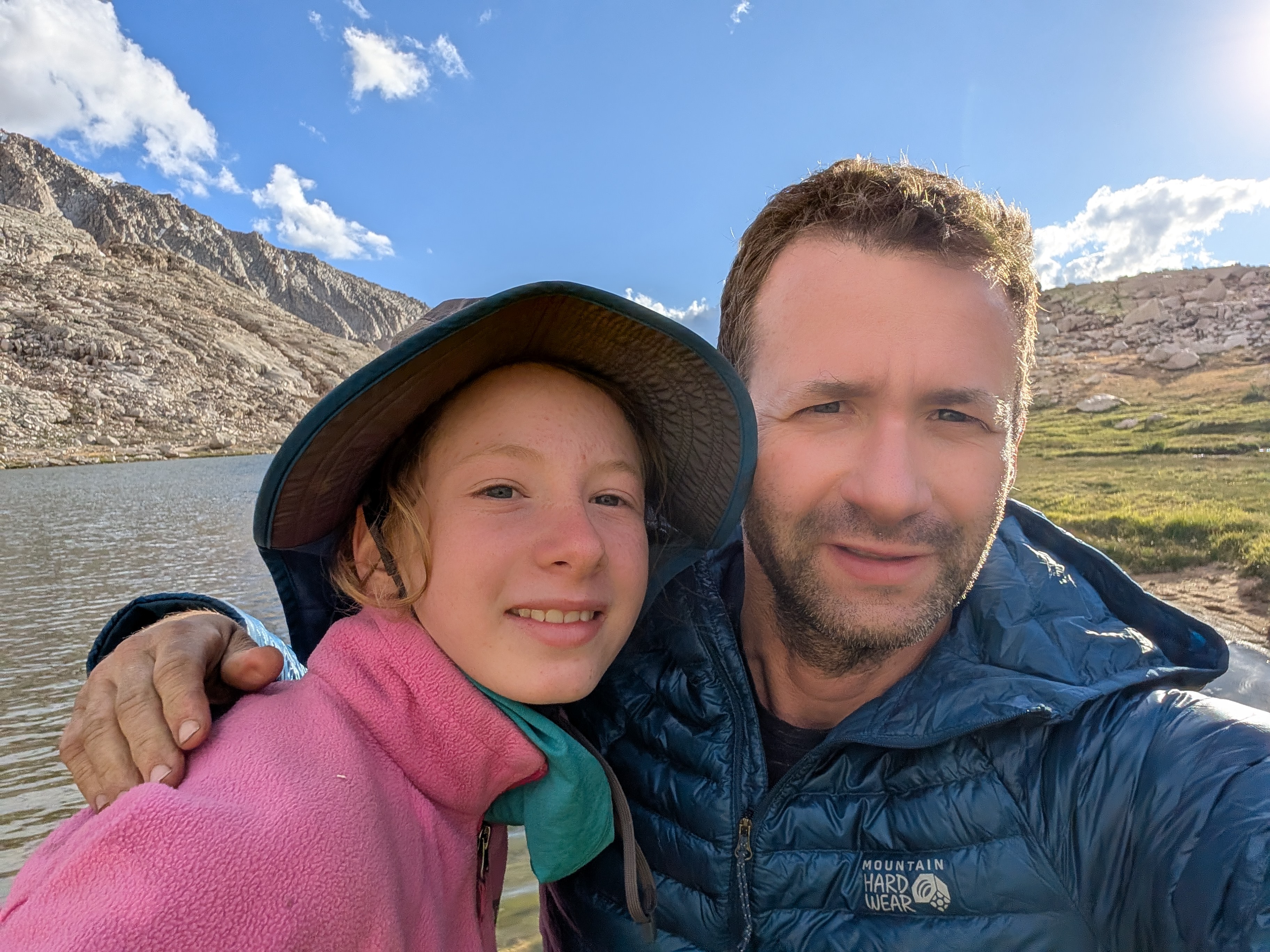
My greatest pride, of course, is my daughter Maya, who is without a doubt the best hiking partner I could ever ask for. Eight consecutive days of hiking is a gift: endless time for the kind of father-daughter heart-to-hearts that are hard to find in daily life. This year, she also took on more responsibility with camp chores (setting up the tent, filtering water, preparing meals, etc.). To see her conquer such peaks with a smile and such ease is just pure joy.